
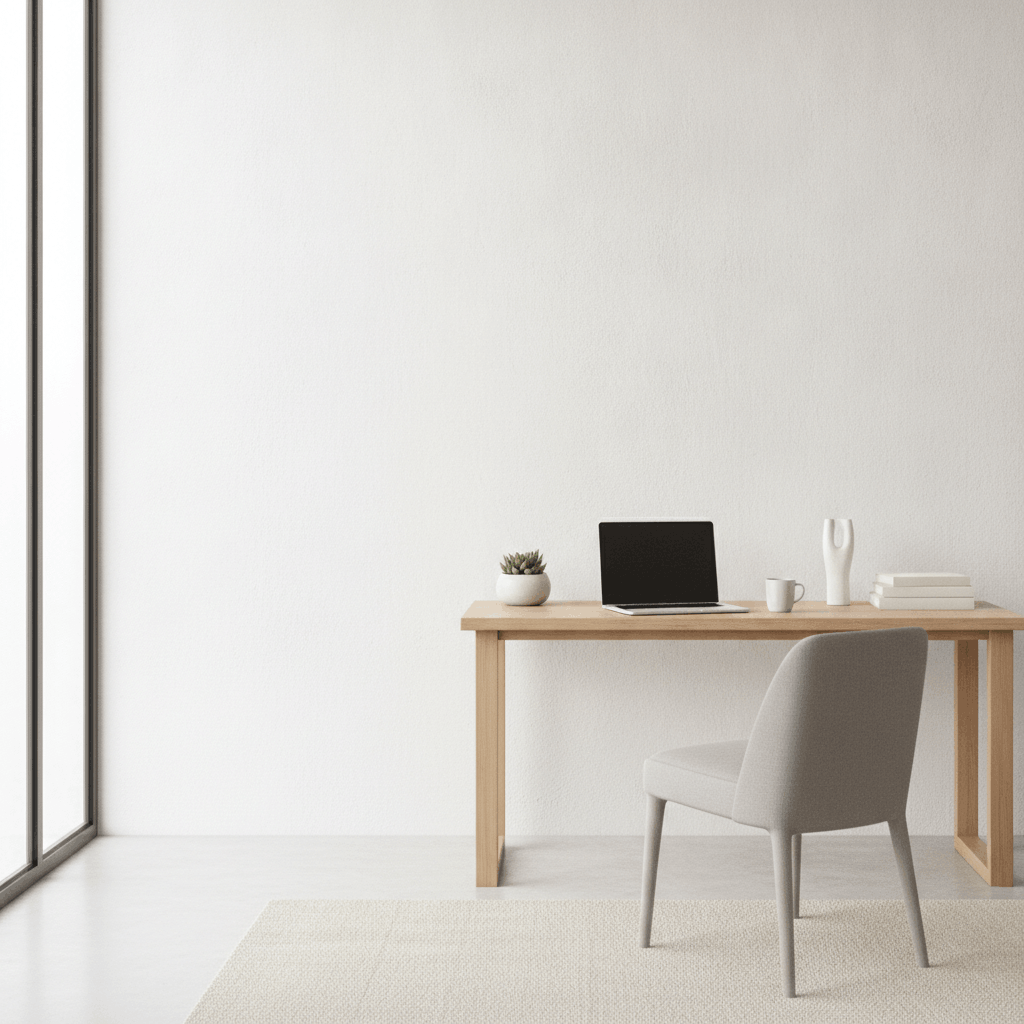
The term "minimalist" often evokes images of stark white rooms and a complete absence of possessions. While this can be an extreme interpretation, the essence of minimalism lies in a conscious and intentional approach to living with less. It's not about deprivation, but rather about prioritizing what truly adds value and joy to life, while shedding the excess that can weigh us down.
At its heart, minimalism is a lifestyle philosophy that encourages people to live with only the things they truly need or love. It's a rejection of consumerism and the belief that more possessions equate to more happiness. Instead, it focuses on intentionality, where every item in one's life serves a purpose or brings genuine delight.
The core principles of minimalism can be distilled into a few key areas:
This is the cornerstone of minimalism. It's about making conscious choices about what you bring into your life, both in terms of physical possessions and commitments. It involves asking yourself if an item or an activity truly serves you and aligns with your values.
Every item kept in a minimalist lifestyle should ideally have a purpose. This purpose can be functional, like a tool or a piece of clothing, or emotional, like a cherished photograph or a meaningful gift. If something doesn't serve a purpose or bring joy, it's considered clutter.
Minimalism encourages focusing on the value that items and experiences bring. This value isn't solely monetary; it can be practical, emotional, or experiential. By focusing on value, individuals can discern what is truly worth their time, energy, and space.
The pursuit of owning less is often driven by the desire for freedom. Freedom from the burden of managing too many things, freedom from financial stress associated with constant acquisition, and freedom to focus on experiences and relationships rather than material possessions.
Adopting minimalist principles can lead to a multitude of positive changes across various aspects of life:
A cluttered physical space often translates to a cluttered mind. By decluttering possessions, individuals can create a more serene and organized environment, leading to reduced stress and improved mental clarity. The act of managing fewer items also simplifies daily routines.
Minimalism inherently encourages mindful spending. When the focus shifts from acquiring new items to appreciating what one already has, impulse purchases decrease. This can lead to significant savings, reduced debt, and greater financial security.
Less stuff means less time spent cleaning, organizing, maintaining, and shopping for possessions. This reclaimed time and energy can be redirected towards activities that are more fulfilling, such as hobbies, learning, spending time with loved ones, or pursuing personal growth.
With fewer distractions and less mental overhead associated with possessions, individuals can find it easier to concentrate on important tasks and goals. A simplified environment supports a more focused and productive mindset.
When you intentionally choose to keep only items that hold meaning or serve a purpose, you develop a deeper appreciation for those things. This shift from a mindset of scarcity to one of gratitude can foster contentment and satisfaction.
By consuming less, minimalists naturally reduce their environmental footprint. This conscious decision contributes to sustainability by lessening demand for manufacturing, transportation, and disposal of goods.
Embarking on a minimalist journey doesn't require an overnight transformation. It's a gradual process of conscious decision-making. Start by identifying areas where clutter is most prevalent, such as a wardrobe, a kitchen, or digital files. Begin decluttering in small, manageable steps, asking yourself if each item serves a purpose or brings joy. As you experience the benefits, you may find yourself naturally gravitating towards a more minimalist approach to your possessions and your life.